1. Introduction
Chemical laboratories serve as the birthplace of groundbreaking discoveries, where scientists delve into the intricate world of chemicals. They provide an environment audit for experimentation, innovation, and problem-solving. By combining different substances and conducting experiments, scientists can unlock the potential of chemicals and revolutionize various industries.
2. The Importance of Chemical Laboratories
Chemical laboratories are of paramount importance in advancing scientific knowledge and technological progress. They enable researchers to study the properties of chemicals, develop new materials, and create innovative solutions. These laboratories contribute significantly to fields such as pharmaceuticals, materials science, environmental research, and more.
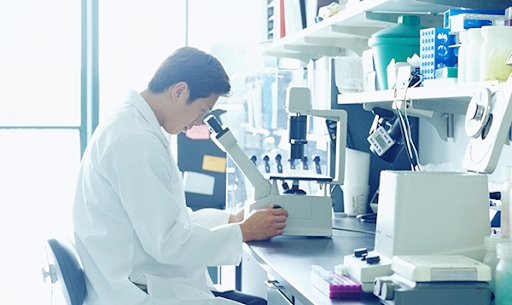
Chemical laboratories provide a controlled setting where scientists can explore the interactions and reactions of different substances. By understanding the behavior of chemicals, scientists can devise new manufacturing processes, improve existing products, and develop novel technologies.
3. Safety Measures in Chemical Laboratories
Safety is a top priority in chemical laboratories. Stringent safety measures are in place to protect researchers, the environment, and the public. These measures include:
- Wearing appropriate personal protective equipment (PPE) such as lab coats, gloves, and safety goggles.
- Proper handling and storage of chemicals to prevent accidents or spills.
- Regular maintenance and inspection of laboratory equipment.
- Implementation of emergency protocols and the availability of safety showers, eyewash stations, and fire extinguishers.
By adhering to these safety measures, chemical laboratories ensure the well-being of everyone involved and minimize potential risks.
4. Equipment and Tools in Chemical Laboratories
Chemical laboratories are equipped with a wide range of tools and instruments that aid in experimentation and analysis. Some essential equipment found in these laboratories include:
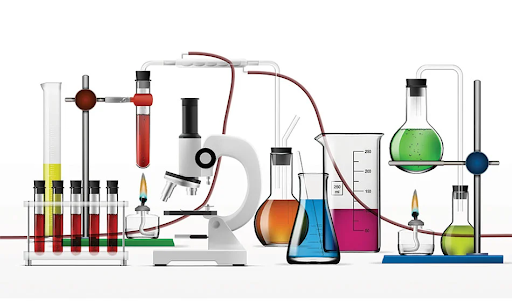
- Bunsen burners: Used for heating substances during experiments.
- Glassware: Beakers, flasks, test tubes, and pipettes for holding and measuring liquids.
- Analytical balances: Precise weighing instruments for measuring small quantities of substances.
- Spectrophotometers: Devices used to analyze the absorption and emission of light by chemical substances.
- Centrifuges: Machines that separate substances based on their density using centrifugal force.
These tools enable researchers to conduct experiments accurately and gather reliable data for analysis.
5. Conducting Experiments in Chemical Laboratories
Conducting experiments in chemical laboratories involves a systematic approach. Scientists follow these steps:
- Hypothesis: Formulating a hypothesis based on existing knowledge and research.
- Experimental Design: Planning the experiment, including the selection of materials, equipment, and variables.
- Data Collection: Performing the experiment and collecting data through observations and measurements.
- Analysis: Analyze the collected data to draw meaningful conclusions and identify patterns.
- Conclusion: Interpreting the results and evaluating the experiment’s success in achieving its objectives.
Each experiment builds on previous knowledge and contributes to the broader understanding of chemicals and their applications.
6. Analyzing and Interpreting Data
Chemical Laboratory Analyzing and interpreting data is a crucial step in chemical laboratories. Scientists employ various statistical and analytical techniques to derive meaningful insights from their experiments. By analyzing data, researchers can identify trends, correlations, and anomalies that lead to new discoveries or confirm existing theories.

Data interpretation involves drawing conclusions and making connections between experimental results and the hypothesis. It requires critical thinking, attention to detail, and a thorough understanding of the scientific principles involved. Effective data analysis drives innovation and guides scientists towards new avenues of exploration.
7. Innovations in Chemical Laboratories
Chemical laboratories are hotbeds of innovation, constantly pushing the boundaries of what is possible. Through relentless experimentation, scientists have developed life-saving drugs, eco-friendly materials, and sustainable manufacturing processes.
Recent innovations in chemical laboratories include:
- Drug Discovery: Chemical laboratories are instrumental in discovering new drugs and therapies to combat diseases. Researchers use their expertise to design and synthesize molecules with specific biological activities, paving the way for improved treatments and healthcare advancements.
- Material Science: Chemical laboratories contribute to the development of advanced materials with unique properties. These materials find applications in fields like electronics, aerospace, renewable energy, and more, driving progress in various industries.
- Environmental Research: Chemical laboratories play a vital role in studying and finding solutions for environmental challenges. Scientists investigate pollution, develop eco-friendly alternatives, and devise methods for sustainable waste management.
8. Collaboration and Knowledge Sharing
Chemical laboratories thrive on collaborations and knowledge sharing. Scientists from different disciplines and institutions come together to exchange ideas, expertise, and resources. Collaborative efforts foster innovation, accelerate discoveries, and lead to more robust scientific advancements.
Through conferences, research papers, and academic networks, chemical lab researchers share their findings with the global scientific community. This open exchange of knowledge enhances collective understanding and enables scientists worldwide to build upon each other’s work.
9. Career Opportunities in Chemical Laboratories
Chemical laboratories offer a wide range of career opportunities for individuals passionate about science and research. Some common roles in chemical laboratories include:
- Research Scientist: Conducting experiments, analyzing data, and contributing to scientific knowledge.
- Quality Control Analyst: Ensuring the integrity and safety of products through rigorous testing and analysis.
- Chemical Engineer: Developing and optimizing manufacturing processes for various industries.
- Laboratory Technician: Assisting researchers in conducting experiments and maintaining laboratory equipment.
- Environmental Scientist: Investigating and mitigating environmental risks through research and analysis.
These careers allow individuals to make meaningful contributions to scientific progress while working in stimulating and dynamic environments.
10. Future of Chemical Laboratories
The future of chemical laboratories holds immense potential. As technology advances, researchers will have access to more sophisticated instruments and analytical tools. This will enable them to delve deeper into the properties of chemicals and accelerate the pace of discovery.
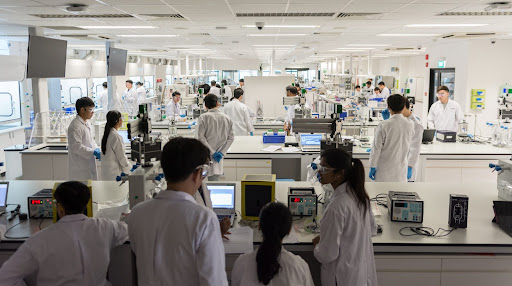
Additionally, the integration of artificial intelligence and machine learning in chemical laboratories will revolutionize data analysis and prediction. Scientists will be able to leverage vast datasets to uncover hidden patterns and make informed decisions.
Furthermore, interdisciplinary collaborations and the convergence of different scientific fields will lead to groundbreaking innovations. Chemical laboratories will continue to drive progress in areas such as nanotechnology, biotechnology, renewable energy, and personalized medicine.
Conclusion
Chemical laboratories are the catalysts for scientific advancements, allowing researchers to unleash the potential of chemicals for the betterment of society. Through experimentation, collaboration, and innovation, these laboratories contribute to the development of new materials, life-saving drugs, and sustainable solutions.